
Railway Bogie Spring

Pantograph Spring
Compression Spring
Coil Spring Manufacturers
Pantograph Springs
Railway Wagon Spring 1
Railway Wagon Spring 2
Railway Wagon Spring 3
Railway Wagon Spring 4

Introduction to Railway Bogie Spring
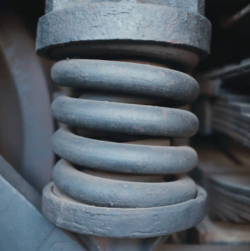
Railway bogie springs are a critical component in the design and operation of railway vehicles. These springs play a vital role in ensuring the stability and comfort of trains as they traverse various terrains. A bogie, which is a framework that houses wheels, axles, and suspensions, serves as the support system for the train’s body. Within this framework, bogie springs are installed to absorb shocks and vibrations, contributing significantly to the overall functionality of the railway vehicle.

The main purpose of bogie springs is to maintain the balance and integrity of the train while in motion. They do this by storing and releasing energy in response to the dynamic forces encountered during travel, such as changes in track gradient, curvature, and load. By absorbing these forces, bogie springs reduce the impact of irregularities in the track on the train, thereby enhancing passenger comfort and minimizing wear and tear on both the railway infrastructure and the vehicle itself.

Furthermore, bogie springs are crucial for safety. Effective spring systems (which can vary in design depending on the type of rolling stock and intended operational requirements) help maintain an optimal ride quality, preventing derailments that can arise from sudden jolts or bumps. High-quality bogie springs ensure that the train wheels maintain proper contact with the track, which is essential for the stability and safety of both freight and passenger services. Therefore, a deep understanding of railway bogie springs is fundamental for engineers and designers engaged in railway vehicle manufacturing and maintenance.

The Function of Railway Bogie Spring
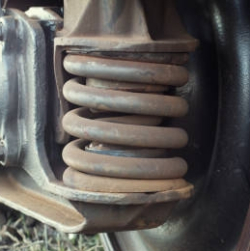
Railway Bogie Springs play a crucial role in the operation and safety of railway systems. One of their primary functions is to absorb shocks and vibrations generated by the tracks. As trains traverse varying terrains, including irregularities and discontinuities in the railway bed, the bogie springs mitigate the impact experienced by both the vehicles and their passengers. This shock-absorbing capability ensures a smoother ride, enhancing comfort and safety during transit.

In addition to shock absorption, bogie springs are responsible for supporting the overall weight of the train. Each rail vehicle is subjected to considerable forces due to its mass, and the springs distribute this weight evenly across the railway bogie. This distribution is vital for maintaining track stability and integrity, thereby reducing wear and tear on the infrastructure. When properly functioning, the bogie springs help maintain the alignment of the wheels on the tracks, facilitating effective traction and braking.

Another significant function of bogie springs is facilitating the smooth movement of railway vehicles, particularly when navigating curves or undulating surfaces. As trains journey around curves, these springs allow for a certain amount of articulation or lateral movement, enabling the bogies to adapt to the directional changes while maintaining contact with the rails. This adaptability is essential for preventing derailments, which can pose significant risks to safety and operational efficiency. Moreover, a well-maintained spring system contributes to the longevity of the rail assets by minimizing dynamic forces that lead to mechanical fatigue over time.

Types of Railway Bogie Spring
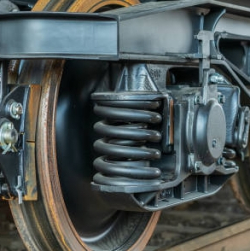
Railway bogie springs play a crucial role in ensuring the smooth operation and stability of trains. They absorb shocks from track irregularities, enhancing passenger comfort and protecting the train’s structural integrity. There are three primary types of bogie springs used in railway applications: coil springs, leaf springs, and air springs. Each type has distinct characteristics, materials, advantages, and applications.

Coil springs are typically manufactured from high-strength steel, making them resilient and durable. Their helical shape allows for efficient energy absorption, enabling them to handle the dynamic loads experienced during transit. Favorable for passenger and freight trains alike, coil springs are often utilized due to their ability to maintain consistent performance under varying weight conditions. They can be readily adjusted for differing applications, making them versatile components in bogie design.

Leaf springs, on the other hand, comprise multiple layers of material, often steel, bound together. This design allows them to distribute loads evenly, providing excellent stability and support for heavier trains. Leaf springs are commonly used in freight wagons, where they help accommodate the substantial weights and varied cargo loads. Their simple construction lends itself to easy maintenance, which is essential for ensuring reliability over extended periods.

Air springs are unique in their implementation, utilizing compressed air to support the bogie and manage suspension. This type of spring system is preferred for modern passenger trains, as it offers adjustable ride height and superior damping capabilities. Air springs contribute to better ride quality, reducing vibrations and enhancing the overall travel experience for passengers. Their adaptability makes them suitable for various service conditions while promoting safety and efficiency.

In summary, understanding the different types of railway bogie springs—coil springs, leaf springs, and air springs—allows for informed decision-making regarding their applications and benefits in the railway industry.

Design Considerations for Railway Bogie Spring
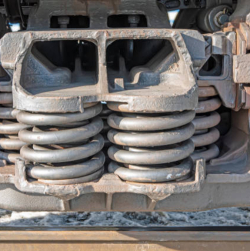
The design of bogie springs plays a pivotal role in ensuring the safe and efficient operation of railway systems. Engineers must consider several critical factors during the design process to deliver optimal performance. One of the foremost considerations is load requirements. Bogie springs must effectively support the weight of the train while accommodating dynamic loads that arise during operation. The springs should be designed to withstand varying levels of force exerted by the train’s weight, acceleration, and deceleration, ensuring stability and safety throughout the journey.

Another essential aspect is fatigue resistance. Due to the repetitive loading and unloading cycles that bogie springs undergo, it is crucial that the materials selected possess high fatigue strength. This ensures the longevity of the springs, reducing the likelihood of failures that could result in costly repairs and operational delays. Engineers often conduct rigorous testing to assess the fatigue capabilities of spring designs and materials, enabling them to refine their approach for maximum durability.

Material selection is also a significant factor in the design of bogie springs. Various materials can be employed, including steel and composite materials, each offering distinct advantages and disadvantages. The chosen material must not only meet the mechanical strength requirements but also be adaptable to handle environmental factors such as temperature fluctuations, moisture, and corrosion. As a result, engineers must evaluate the intended application of the bogie springs while considering the environmental conditions the railway will encounter.

Finally, environmental factors are critical in ensuring the reliability of bogie springs. Spring designs must be tailored to account for adverse weather conditions and exposure to different elements that could affect performance. Incorporating these design considerations effectively contributes to the overall safety, durability, and operational efficiency of railway systems, ultimately enhancing the user experience and maintaining service reliability.

Manufacturing Process of Railway Bogie Spring

The manufacturing of railway bogie springs is a critical process that involves several intricate steps to ensure reliability and longevity in various operational environments. At the outset, the selection of materials is paramount. Most bogie springs are fabricated from high-tensile steel, which provides the necessary strength and flexibility to endure heavy loads and dynamic forces during train operation. The choice of material not only affects performance but also influences the fatigue life of the spring, making it essential for manufacturers to opt for alloys that can withstand the rigors of rail travel.

Once the materials are selected, the next phase involves shaping them through various techniques. Common methods include cold coiling and hot coiling. Cold coiling provides the advantage of maintaining the material’s inherent strength while shaping it at lower temperatures. This method results in springs with superior surface finish and uniform dimensions. On the other hand, hot coiling is utilized for larger springs or when specific characteristics, such as increased ductility, are required. During this phase, precision engineering plays a crucial role, as even minor discrepancies in dimensions can lead to detrimental effects on the performance and longevity of the springs.

Quality control is another vital aspect of the manufacturing process. Rigorous testing protocols are established to assess the mechanical properties of the springs. This includes tensile testing, fatigue testing, and hardness testing to ensure they meet the required standards. Engineers also conduct dimensional inspections using advanced technology to verify conformity to design specifications. These quality assessments ensure that each bogie spring can effectively absorb shocks and support the weight of the railway vehicle, contributing to safety and comfort. Ultimately, the combination of high-quality materials, precise manufacturing techniques, and stringent quality control measures culminates in reliable railway bogie springs that perform efficiently in demanding environments.

Maintenance of Railway Bogie Spring

Maintaining railway bogie springs is fundamental in ensuring the safety and reliability of train operations. These components play a critical role in supporting the weight of the train and absorbing shocks during transit. Therefore, implementing a structured maintenance program is essential to prolong their lifespan and enhance performance.

Regular inspection protocols should be established to identify potential issues before they escalate. Technicians should check for signs of wear, cracks, or deformities on the springs and associated attachments. Sustainable maintenance involves a systematic evaluation of various aspects, including the horizontal and vertical alignment of bogie springs to ensure they function optimally under load. Visual inspections can help detect corrosion or accumulation of debris, which could affect the springs’ performance.

Common issues encountered with bogie springs may include sagging, spring fatigue, and loss of elasticity, which can lead to improper load distribution and ride quality deterioration. The detection of unusual noises, vibrations, or irregular movement during operation should prompt immediate investigation. Addressing these concerns promptly through adjustments or replacements is crucial for maintaining the integrity of the railway system.

It is advisable to adhere to a recommended maintenance schedule, with checks performed at regular intervals based on usage and operating conditions. For instance, rail operators might implement monthly inspections for frequent routes, while less trafficked lines could have quarterly reviews. A well-documented maintenance record will aid in tracking spring performance over time and guide timely replacements.

Furthermore, engaging with professional inspectors experienced in railway mechanisms can ensure that all maintenance practices align with industry standards. Through diligent monitoring and proactive care, the reliability and efficiency of railway bogie springs can be preserved, ultimately safeguarding passenger safety and system durability.

Impact of Bogie Spring on Train Performance

The performance of trains is significantly influenced by the design and functioning of bogie springs. These components play a crucial role in maintaining ride quality, ensuring stability, and enhancing safety during operations. The intricate balance that bogie springs achieve directly affects how passengers and freight experience the journey.

One of the primary functions of bogie springs is to absorb the shocks and vibrations encountered while the train is in motion. This absorption is vital for maintaining a smooth ride, which is essential for passenger comfort. A well-designed system of bogie springs can effectively minimize the effects of track irregularities, reducing the likelihood of discomfort or strain on passengers. Furthermore, when freight is transported, the stability provided by bogie springs ensures that goods remain secure, preventing potential damage that could occur during transit.

Additionally, the stability afforded by efficient bogie springs contributes to the overall safety of train operations. By ensuring that the train remains balanced over varying terrains and speeds, the risk of derailment is significantly diminished. Properly engineered bogie springs not only enhance stability but also enhance the train’s capability to navigate curves and gradients effectively. This is particularly important in the context of modern rail systems, which often operate at high speeds and on complex track configurations.

Another notable benefit of high-performing bogie springs is their role in enhancing the efficiency of the train. By facilitating smoother operations, these components can lead to reduced wear and tear on other train parts and decrease energy consumption. Ultimately, the integration of quality bogie springs is a critical determinant of both passenger satisfaction and the effective transport of freight, making them an indispensable element in railway performance.

Innovations in Railway Bogie Spring Technology

Recent advancements in bogie spring technology have significantly transformed the efficiency and performance of railway systems. Traditionally, bogie springs have been manufactured using steel, which, while effective, has limitations in terms of weight and responsiveness. Today, innovative materials such as composite materials and advanced alloys are being utilized to create lighter and more durable bogie springs. This change enhances the overall performance of railway vehicles, allowing them to carry heavier loads while maintaining stability and safety.

Additionally, modern designs have also been reimagined to improve load distribution and reduce wear and tear on both the bogie springs and the train axles. Recent innovations have introduced variable stiffness designs that allow the springs to adapt to changing weight loads and track conditions. This responsiveness not only increases the safety of the train but also prolongs the life of the components, ultimately leading to reduced maintenance costs and downtime.

Furthermore, the integration of smart technology into bogie spring systems represents a significant leap towards the future of railway transport. Sensors and monitoring systems are now being embedded within the springs to collect real-time data on stress and performance. This data can be analyzed to predict failures before they happen, enabling proactive maintenance and ensuring that trains operate at optimal efficiency. The potential for these smart bogie springs extends beyond just safety; they promise improved ride quality and greater energy savings through enhanced aerodynamics and reduced vibration.

In essence, the innovations in bogie spring technology reflect a broader trend towards modernization in the railway industry. As trains become faster and more efficient, the role of bogie springs as crucial components in ensuring stability, safety, and performance cannot be overstated. With continuous research and development, the future of railway bogie spring technology appears promising, signaling advancements that could redefine railway transport and enhance the overall travel experience.

Conclusion: The Future of Railway Bogie Spring

In summary, railway bogie springs play a pivotal role in ensuring the stability and safety of trains during their transit. These essential components are engineered to absorb shocks and vibrations, contributing to the overall comfort of passengers while maintaining safety standards. Throughout our exploration, we have highlighted the intricate design and functionality of bogie springs, underscoring their importance in the railway sector.

The research and development surrounding railway bogie springs are increasingly gaining momentum, driven by advancements in materials science and engineering technologies. This focus on innovation is crucial as the industry evolves to meet stricter safety standards and environmental regulations. As global demand for efficient and reliable rail transport grows, investing in improved bogie spring systems will be imperative to enhancing operational performance.

Moreover, as rail networks continue to expand, there is a pressing need for robust infrastructure that can accommodate higher speeds and heavier loads. Consequently, ongoing studies are examining the use of advanced composite materials and better spring designs that could further improve the resilience and longevity of these components. The integration of smart technologies, such as sensors, is also being explored to monitor the performance of railway bogie springs in real-time, enabling proactive maintenance and reducing the potential for failures.

In conclusion, the future of railway bogie springs is promising, with significant advancements on the horizon. Continuous investment in research and development is essential to meet the evolving demands of the railway industry, ensuring that safety, efficiency, and passenger comfort remain at the forefront of innovation. By prioritizing these elements, stakeholders can help shape a safer and more efficient railway system for years to come.

Materials used in manufacturing Railway Bogie Spring

The manufacturing of railway bogie springs is a critical element in ensuring the reliability and safety of rail transport. Several materials are commonly utilized in the production of these springs, each offering unique properties that enhance performance and durability. Among the most prevalent materials is spring steel, which is an alloy specifically designed to withstand high levels of stress and fatigue. This type of steel generally exhibits exceptional tensile strength, allowing it to maintain its shape and elasticity over extended periods. Spring steel’s ability to endure varying loads makes it a preferred choice for bogie springs, as it can withstand the rigors of constant movement and pressure in railway applications.

Another significant category of materials includes composite materials, which are increasingly gaining traction in the railway industry. Composites, often made from a combination of materials such as fiberglass or carbon fibers embedded in a resin matrix, offer several advantages over traditional metals. They possess high strength-to-weight ratios, which contribute to reduced overall vehicle weight and improved fuel efficiency. Moreover, composite materials can be engineered to exhibit superior fatigue resistance, extending the lifespan of bogie springs and enhancing their performance over time. Environmental considerations are also crucial with composite materials, as they can be formulated to be more resistant to corrosion and degradation caused by exposure to harsh weather conditions.

In the selection of materials for manufacturing bogie springs, engineers must also take into account factors such as cost, availability, and environmental impact. The optimization of material properties not only helps in achieving the desired performance but also aligns with sustainability goals within the transportation sector. Overall, the choice of materials directly influences the efficiency, safety, and longevity of railway bogie springs, making it a fundamental aspect of railway design and manufacturing.

Manufacturing processes for Railway Bogie Spring

The manufacturing of railway bogie springs involves several intricate processes that ensure the final product meets safety and performance standards. Each phase requires meticulous planning and execution, which begins with design and engineering. This initial stage is crucial as it involves calculating the load requirements and selecting appropriate materials to ensure optimal functionality.

Following the design phase, the next step is the forging process. This is where raw materials, typically high-carbon steel, are shaped under extreme pressure. Forging enhances the mechanical properties of the steel, increasing its strength and fatigue resistance. Specialized machinery, such as a hydraulic press, is utilized to achieve the desired shape and dimensions of the springs effectively.

After forging, the next significant phase is heat treatment. This process involves heating the formed springs to a specific temperature and then rapidly cooling them to enhance their durability and elasticity. Heat treatment not only improves the mechanical properties but also aids in relieving internal stresses that may have developed during forging.

The subsequent phase is surface finishing, which is paramount for the longevity of bogie springs. This can involve several methods, including shot blasting and coating, which protect against corrosion and wear. An appropriate surface finish reduces friction and improves the overall performance of the bogie springs under varying operational conditions.

Assembling all these processes into a systematic workflow allows manufacturers to produce high-quality bogie springs suitable for rigorous railway applications. Each stage, from design to surface treatment, plays a pivotal role in ensuring that the springs not only meet industry standards but also ensure the safety and reliability of railway operations.

Quality Control and Testing of Bogie Spring

Quality control and rigorous testing are fundamental components in the manufacturing process of railway bogie springs. These springs play a crucial role in ensuring the safety, performance, and overall reliability of railway vehicles. To maintain the highest standards, manufacturers implement a comprehensive quality control system that incorporates various testing methods to evaluate the springs throughout the production process.

One of the primary testing methods is fatigue testing, which is essential for assessing the durability of bogie springs under repeated loading conditions. This test simulates the cyclic forces that the springs will encounter during their operational life. By subjecting the springs to controlled cyclic loading, manufacturers can evaluate their ability to endure stress and identify potential failure modes. The results from fatigue testing are vital for ensuring that the springs can withstand the rigors of dynamic railway operations.

Dimensional checks are also a critical aspect of quality control. These checks ensure that the bogie springs conform to specified tolerances and dimensions set by industry standards. Using precision measurement tools, manufacturers inspect each spring for size, shape, and other critical parameters. Any deviations from the defined specifications can lead to performance issues and compromise safety. Therefore, maintaining strict dimensional accuracy is paramount in the manufacturing process.

Additionally, performance evaluations are conducted to assess the springs’ functionality in real-world conditions. These evaluations often include tests to measure aspects such as load-bearing capacity, deflection characteristics, and response to dynamic forces. By scrutinizing performance metrics, manufacturers can ensure that the bogie springs not only meet but also exceed industry safety standards. Through these extensive quality control measures and testing protocols, the manufacturing of bogie springs guarantees that they deliver the reliability and safety expected in modern railway systems.

Innovations in Railway Bogie Spring Design

The design and manufacturing processes of railway bogie springs have seen considerable innovations in recent years, driven by the need for enhanced performance, reliability, and safety. Notably, the application of advanced materials has revolutionized the industry. Engineers are increasingly using high-strength steel alloys and composite materials that not only reduce the weight of the springs but also improve their fatigue resistance and overall durability. These materials enable railway bogie springs to withstand the rigorous demands of continuous use while maintaining structural integrity.

Another significant advancement in the design of railway bogie springs lies in the integration of computer-aided design (CAD) technologies. These sophisticated software tools allow engineers to simulate and analyze various loading conditions and material behaviors, thereby facilitating the optimization of spring geometry. By conducting extensive simulations, engineers can identify potential weak points and make precise modifications to the design that enhance performance metrics such as load capacity and elasticity. This iterative design process through CAD tools ensures that the final product meets the stringent safety and performance standards required in railway applications.

Additionally, new manufacturing techniques have emerged, which play a critical role in the production of railway bogie springs. One such technique is additive manufacturing, or 3D printing, which allows for rapid prototyping and the creation of complex geometries that were previously difficult to achieve through traditional manufacturing methods. This approach not only reduces production times but also minimizes material wastage, leading to a more sustainable manufacturing process. Furthermore, incorporating automated processes and robotics in spring manufacturing has enhanced quality control, ensuring each component meets the required specifications consistently.

Overall, these innovations reflect a broader trend in the railway industry aimed at producing components that are not only more efficient but also environmentally friendly. As advancements continue, the railway sector can look forward to improved bogie spring designs that contribute to safer and more reliable train operations.

Challenges faced by Railway Bogie Spring Manufacturer

The railway bogie spring manufacturing sector encounters a myriad of challenges that impact production efficiency and quality. One primary issue is related to supply chain disruptions, a situation exacerbated by global events and dependencies on specific raw materials. Manufacturers often face delays in the procurement of essential materials such as steel and high-strength alloys. These delays not only prolong the production timeline but also raise costs, thereby affecting the overall pricing strategy and competitiveness in the market.

Another significant challenge is maintaining stringent quality standards. The safety and performance of railway systems heavily depend on the reliability of bogie springs. Manufacturers must adhere to various regulatory standards, which necessitates implementing rigorous testing and quality assurance processes. Ensuring consistency in product quality can become intense, especially when dealing with variations in raw material properties or production techniques. Failure to meet these standards could lead to severe accidents, causing reputational damage and potential legal ramifications.

Moreover, the rapid pace of innovation in rail technologies presents both opportunities and challenges. Manufacturers are required to continuously invest in research and development to adapt their products for new applications. The integration of advanced materials and design techniques, such as composite springs or computer-aided design, necessitates a shift in traditional manufacturing processes. This transition requires substantial investment in training, technology upgrades, and often, a complete redesign of existing products to remain competitive in an increasingly globalized market.

Lastly, globalization introduces heightened competition from manufacturers across different nations. Companies must navigate various trade regulations, tariffs, and labor laws, which can complicate international collaboration and pricing strategies. As a result, bogie spring manufacturers are not only striving to produce high-quality components but also competing on a global scale, making the landscape increasingly challenging.

Future Trends in Railway Bogie Spring Manufacturing

The railway bogie spring manufacturing industry is on the cusp of various transformative trends that are poised to redefine its landscape. One prominent trend is the integration of advanced materials, such as composite and lightweight alloys, which can enhance performance while reducing the overall weight of bogie springs. These materials not only promise improved durability and fatigue resistance but also cater to the increasing demand for energy efficiency in train operations. The shift towards lightweight manufacturing solutions is a response to the pressure on railway operators to minimize energy consumption and operational costs.

Technological advancements, particularly in manufacturing processes like additive manufacturing and automation, are also expected to revolutionize railway bogie spring production. 3D printing technologies enable rapid prototyping and customization of components, allowing manufacturers to produce highly tailored spring designs that meet specific client requirements. Additionally, automation in production lines enhances precision and reduces labor costs, thereby improving overall efficiency. As these technologies become more accessible, it is likely that manufacturers who adopt them will gain a competitive edge in the market.

Moreover, sustainability considerations are becoming increasingly paramount in the manufacturing domain. Industry players are increasingly compelled to address environmental concerns related to production processes. This includes the adoption of sustainable practices, such as recycling materials and reducing waste during the manufacturing of bogie springs. Furthermore, there is a growing emphasis on lifecycle assessment, whereby manufacturers evaluate the environmental impact throughout the entire lifecycle of the product. Companies that prioritize these sustainability measures are likely to build better relationships with customers who are keen on ethical consumption and environmental responsibility.

In conclusion, the future of railway bogie spring manufacturing will be shaped by innovations in materials, advancements in technology, and a stronger emphasis on sustainability. The industry must adapt to these trends to remain competitive and responsive to evolving market demands while contributing to the broader goal of environmental stewardship.